Review Article | | Peer-Reviewed

Nature Against Ultraviolet Damage: A Review of the Photoprotective and Dermatological Properties of Moringa Oleifera, Curcuma Longa, and Aloe Vera

Received: 4 June 2026     Accepted: 27 June 2026     Published: 22 July 2026
Views:       Downloads:
Abstract

The growing concerns over the adverse effects of prolonged exposure to ultraviolet (UV) radiation, coupled with increasing reports of skin irritation, environmental contamination, and potential endocrine-disrupting effects associated with synthetic sunscreen ingredients, have intensified interest in plant-based alternatives for photoprotection. This review gives an insight to the dermatological and photoprotective potential of three widely utilized medicinal plants, Moringa oleifera, Curcuma longa, and Aloe vera, with emphasis on their phytochemical composition, mechanisms of action, and applications in topical skincare and cosmeceutical formulations. Relevant literature was critically evaluated using peer-reviewed sources. Evidence from the reviewed studies indicates that these plants contain diverse bioactive compounds, including flavonoids, phenolic acids, carotenoids, curcuminoids, polysaccharides, vitamins, and other antioxidants that contribute to skin protection through multiple mechanisms. These mechanisms include direct absorption of ultraviolet radiation, neutralization of reactive oxygen species, suppression of inflammatory pathways, enhancement of skin barrier function, stimulation of collagen synthesis, and promotion of wound healing. The review further highlights the benefits of combining these botanicals in topical formulations, where improvements in photoprotective efficacy, antioxidant capacity, skin hydration, and formulation stability have been reported. Recent advances in extraction technologies and delivery systems have also enhanced the bioavailability and effectiveness of plant-derived photoprotective agents. Collectively, the evidence demonstrates that Moringa oleifera, Curcuma longa, and Aloe vera possess considerable potential as sustainable and multifunctional ingredients for dermatological and cosmeceutical applications. However, further clinical investigations, formulation optimization, and long-term safety evaluations are required to fully establish their effectiveness as alternatives or complements to conventional synthetic photoprotective agents.

Published in Modern Chemistry (Volume 14, Issue 3)
DOI 10.11648/j.mc.20261403.11
Page(s) 71-84
Creative Commons

This is an Open Access article, distributed under the terms of the Creative Commons Attribution 4.0 International License (http://creativecommons.org/licenses/by/4.0/), which permits unrestricted use, distribution and reproduction in any medium or format, provided the original work is properly cited.

Copyright

Copyright © The Author(s), 2026. Published by Science Publishing Group

Keywords

Moringa Oleifera, Curcuma Longa, Aloe Vera, Photoprotection, Phytochemicals, Antioxidants, Ultraviolet Radiation

1. Introduction
Medicinal plants have been utilized for centuries in the treatment of a wide range of conditions, a practice that is increasingly supported by contemporary ethnopharmacological and phytochemical research . The therapeutic efficacy of these plants is primarily attributed to secondary metabolites such as flavonoids, alkaloids, saponins, terpenoids, and phenolic acids, which exhibit antioxidant, anti-inflammatory, and antimicrobial properties . According to the World Health Organization, more than 80% of the global population depends on traditional, complementary, or integrative medicine as their primary form of healthcare, underscoring the sustained clinical importance of botanical preparations.
Prolonged exposure to ultraviolet (UV) radiation is the primary external factor contributing to skin photoaging, hyperpigmentation, and carcinogenesis. Solar UV radiation is categorized into three bands: UVC (100-280 nm), which is absorbed by the ozone layer; UVB (280-320 nm), which induces erythema, sunburn, and direct DNA mutations; and UVA (320-400 nm), which penetrates deeper into the skin and is mainly associated with oxidative damage and photoaging . Several chemical UV filters in conventional sunscreens have been associated with endocrine disruption and aquatic toxicity, prompting increased interest in plant-derived alternatives that offer both UV absorption and antioxidant and anti-inflammatory effects . Advanced delivery systems, particularly nanoemulsions, improve the solubility, stability, and skin penetration of hydrophobic phytochemicals, thereby enhancing the feasibility of botanical actives in sunscreen formulations .
Moringa oleifera leaf extracts demonstrate significant antioxidant activity, with DPPH IC50 values around 45 µg/mL and ORAC values exceeding 8,300 µmol Trolox equivalents per 100 g . The leaves contain high levels of quercetin, isorhamnetin, chlorogenic acid, β-carotene, and lutein, which neutralize reactive oxygen species, inhibit lipid peroxidation, and suppress matrix metalloproteinase (MMP) expression in UVB-exposed keratinocytes . Curcuma longa rhizomes produce curcuminoids with conjugated aromatic structures that enable broad-spectrum UV absorption from 300 to 500 nm. Curcumin also activates the Keap1-Nrf2 antioxidant response pathway and inhibits NF-κB signaling, resulting in reductions of TNF-α, COX-2, and IL-6 expression by more than 60% in skin cells . Aloe vera gel contains more than 200 bioactive constituents, including the polysaccharide acemannan, which stimulates fibroblast proliferation and wound healing, as well as anthraquinones such as aloin and emodin, which scavenge hydroxyl radicals, superoxide anions, and singlet oxygen . Collectively, these three plants target distinct mechanisms of UV-induced skin damage, supporting their combined application in photoprotective formulations.
2. Core Review of Photoprotective Medicinal Plants and Their Dermatological Applications
2.1. Medicinal Plants in Dermatology
The skin, as the body’s largest organ, serves as the primary interface with environmental stressors such as ultraviolet radiation, pollutants, and pathogens. Traditional medical systems globally have utilized botanical preparations for the treatment of wounds, inflammatory conditions, dryness, aging, and infection . Contemporary dermatological research has increasingly validated these applications. Plant-derived bioactive compounds have been shown to modulate keratinocyte proliferation, fibroblast activation, collagen synthesis, and the oxidative-stress and inflammatory signaling pathways that underlie both therapeutic and cosmetic skin responses .
Plant secondary metabolites demonstrate therapeutic relevance across a wide range of skin disorders. Flavonoids, terpenoids, and alkaloids inhibit cyclooxygenase (COX) and lipoxygenase enzymes, thereby reducing cytokine-mediated redness and irritation . Curcumin, derived from Curcuma longa, suppresses the NF-κB pathway and alleviates psoriatic inflammation . Neem (Azadirachta indica) extracts address Propionibacterium acnes through both antimicrobial and anti-inflammatory mechanisms . In the context of wound healing, polysaccharides and glycoproteins from Aloe vera promote granulation tissue formation and collagen deposition . Triterpenoids and flavonoids from Calendula officinalis support re-epithelialization . For anti-aging purposes, polyphenols from green tea, resveratrol from grapes, and curcuminoids from Curcuma longa help preserve collagen architecture and protect fibroblasts from oxidative damage . Botanical oils, including moringa, argan, and jojoba, restore the stratum corneum lipid barrier due to their fatty acid and phytosterol content .
Phytochemicals contribute to the development of environmentally sustainable products. Advances in extraction technologies, such as supercritical carbon dioxide and ultrasound-assisted methods, along with encapsulation and nanoemulsion strategies, have improved the stability and bioavailability of plant-derived actives in topical formulations . The combination of multifunctionality, biodegradability, and formulation compatibility makes botanical extracts compelling sustainable alternatives to synthetic cosmeceutical ingredients.
2.1.1. Phytochemical Classes and Their Roles in Dermatology
Phytochemicals are a diverse group of plant-derived secondary metabolites that support skin health and protect against photo-induced damage. This group includes flavonoids, phenolic acids, carotenoids, alkaloids, tannins, polysaccharides, and naturally occurring vitamins, each contributing complementary photoprotective, antioxidant, and anti-inflammatory effects .
Flavonoids, including quercetin, kaempferol, luteolin, and apigenin, exhibit strong absorption across UVA and UVB wavelengths due to their conjugated benzopyran structures and hydroxyl groups. Topical formulations containing flavonoids from Moringa and Curcuma species significantly reduce UV-induced oxidative stress and erythema by absorbing photons and scavenging reactive oxygen species (ROS) . Flavonoids from Curcuma longa specifically demonstrate in vitro SPF values of 7-13 and suppress the production of IL-1 and TNF-α .
Phenolic acids, including ferulic, caffeic, and gallic acids, offer targeted UVB protection and enhance the activity of co-antioxidants. Ferulic acid stabilizes vitamins C and E in cosmetic formulations, efficiently absorbs UVB, and prevents epidermal lipid peroxidation, thereby delaying visible photoaging .
Carotenoids, such as β-carotene, lutein, and lycopene, are lipophilic pigments that quench singlet oxygen and inhibit lipid peroxidation within cell membranes. Both dietary and topical carotenoid supplementation reduce UV-induced erythema, improve skin hydration, and enhance elasticity, acting in concert with flavonoids to protect dermal collagen and keratinocytes from photodamage .
Tannins, which are high-molecular-weight polyphenols, bind to cutaneous proteins and function as astringents. These compounds enhance skin firmness, reduce epidermal permeability, and provide additional UV absorption and ROS scavenging, thereby protecting collagen from photodegradation .
Polysaccharides derived from Aloe vera primarily support hydration and reinforce the epidermal barrier. Acemannan forms a thin protective film that reduces transepidermal water loss and enhances the penetration and retention of co-active compounds, thereby mitigating photodamage to the skin .
Vitamins C and E exhibit cooperative effects in photoprotection. Vitamin C stimulates collagen biosynthesis and regenerates oxidized tocopherol, whereas vitamin E protects cellular membranes from lipid peroxidation. Formulations that combine vitamin C-rich Aloe vera with vitamin E-rich Moringa oil demonstrate greater antioxidant potential and higher SPF values than either ingredient alone .
Table 1 summarizes the principal phytochemical classes, representative bioactive constituents, and their mechanisms of dermatological relevance.
Table 1. Key Phytochemical Classes and Their Photoprotective Roles.

Phytochemical Class

Examples

Mechanism of Action

References

Flavonoids

Quercetin, Kaempferol, Rutin

Absorb UVA/UVB; scavenge ROS; anti-inflammatory

Phenolic acids

Ferulic acid, Caffeic acid

UVB absorption; stabilize vitamins & co-filters

Carotenoids

β-Carotene, Lutein

Quench singlet oxygen; reduce oxidative stress

Alkaloids

Berberine, Harmine

UV absorption; antioxidant activity

3]

Tannins

Ellagitannins, Proanthocyanidins

Antioxidant; collagen protection

4]

Vitamins

Vitamin E, Vitamin C

Neutralize ROS; prevent lipid peroxidation

22]

2.1.2. Photoprotective Mechanisms of Medicinal Plant Phytochemicals
In In contrast to synthetic UV filters, which primarily protect the skin by absorbing or scattering photons, plant-derived phytochemicals utilize multiple biochemical pathways to defend against UV-induced injury .
Flavonoids, including quercetin and kaempferol, absorb strongly across both UVA (320-400 nm) and UVB (280-320 nm) ranges. In contrast, phenolic acids such as ferulic and caffeic acids provide more targeted attenuation of UVB, thereby limiting DNA damage in epidermal keratinocytes . Curcumin, which exhibits a broad absorption profile spanning approximately 300-500 nm, is considered one of the most versatile natural UV filters identified to date . By capturing UV photons and dissipating their energy as heat, these molecules decrease the amount of radiation that penetrates into deeper dermal layers .
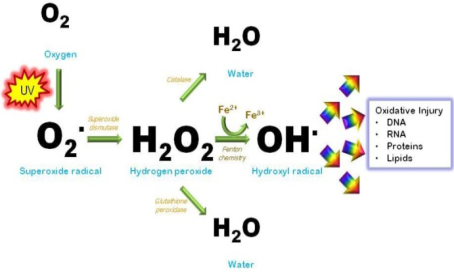
Exposure to UV radiation generates reactive oxygen species, including superoxide anions (O2•⁻), hydroxyl radicals (•OH), hydrogen peroxide (H2O2), and singlet oxygen (1O2). These species attack cellular lipids, proteins, and DNA, leading to collagen degradation and premature aging . Flavonoids and tannins stabilize free radicals by donating hydrogen atoms or electrons, thereby halting lipid peroxidation cascades . Curcumin also chelates pro-oxidant metal ions (Fe2⁺, Cu2⁺), which suppresses Fenton-reaction-driven hydroxyl radical generation . Collectively, these mechanisms preserve cellular biomolecular integrity and prevent photo-oxidative injury.
UV irradiation activates the NF-κB and AP-1 transcription factors, which stimulate the production of pro-inflammatory cytokines (TNF-α, IL-1β, IL-6) and induce matrix metalloproteinases (MMPs) that degrade collagen and elastin . Curcumin suppresses NF-κB activity and downstream cytokine production . Quercetin inhibits cyclooxygenase (COX) and lipoxygenase (LOX) enzymes, thereby reducing prostaglandin and leukotriene levels . Aloe vera polysaccharides stimulate fibroblast and keratinocyte activity, which promotes wound repair and limits inflammatory cell infiltration . Collectively, these actions reduce UV-induced erythema and edema and protect the dermal extracellular matrix from chronic photodamage.
Oleic acid and related fatty acids restore lipid levels in the stratum corneum and enhance epidermal moisture retention . Plant-derived polysaccharides form thin surface films that reduce transepidermal water loss and prolong the residence time of active ingredients . Tannin-rich extracts interact with cutaneous proteins, resulting in epidermal tightening and decreased permeability .
The protective effects of phytochemicals are often additive and mutually reinforcing. For example, flavonoids both absorb UV photons and neutralize reactive oxygen species (ROS) . Vitamins C and E act cooperatively, with ascorbic acid regenerating tocopherol to prolong its antioxidant effect . Lipid-soluble carotenoids protect cellular membranes, while water-soluble antioxidants function in the cytosol . Hydrating polysaccharides also facilitate deeper delivery of lipophilic active compounds . Through these combined mechanisms, mixtures of plant metabolites provide broader and more durable photoprotection than any single compound alone .
Source: D’Orazio et al. (2013).

Download: Download full-size image

Figure 1. Reactive oxygen species (ROS) generation and oxidative injury in UV-irradiated skin.
2.2. Complementary Actions and Photoprotective Interactions
The rationale for combining botanicals in photoprotective formulations rests on the complementarity of their mechanisms. Curcuminoids in Curcuma longa act as efficient UV chromophores while simultaneously scavenging free radicals; phenolic compounds in Moringa oleifera provide additional antioxidant capacity and photostabilize UV-sensitive filters; and the polysaccharide matrix of Aloe vera supports hydration, emulsion stability, skin repair, and the uniform delivery of active ingredients. This multi-mechanistic architecture of direct UV absorption, ROS neutralization, anti-inflammatory activity, barrier reinforcement, and tissue regeneration enables comprehensive protection that no single extract achieves in isolation. Advanced delivery systems, including nanoemulsions, further enhance the solubility and bioavailability of these hydrophobic phytochemicals in topical formulations .
The bioactive compounds of these three plants also interact at the molecular level to provide overlapping and mutually reinforcing protection. The polyphenols of Moringa oleifera, particularly quercetin, isorhamnetin, and chlorogenic acid, contribute ROS scavenging activity that complements the direct UV absorption of curcumin . When curcumin undergoes partial photodegradation under prolonged irradiation, a recognized limitation of Curcuma longa extracts used in isolation , the phenolic antioxidants in Moringa help neutralize the resulting oxidative intermediates and reduce their impact on the skin. Additionally, the acemannan-rich gel matrix of Aloe vera improves the dispersibility and film-forming properties of the combined formulation, facilitating more uniform distribution of the lipophilic curcuminoids and flavonoids across the skin surface and thereby enhancing consistent UV coverage . The antimicrobial activity of Aloe vera anthraquinones against skin pathogens such as Staphylococcus aureus and Candida albicans further broadens the protective scope of combination formulations, particularly in tropical climates where microbial colonization of UV-damaged skin is a clinical concern. Taken together, these complementary antioxidant, anti-inflammatory, antimicrobial, barrier-reinforcing, and moisturizing activities support the use of combined Moringa oleifera, Curcuma longa, and Aloe vera extracts as a multifunctional approach to photoprotection.
3. Key Plants: Phytochemistry and Dermatological Evidence
The selection of Moringa oleifera, Curcuma longa (turmeric), and Aloe vera as the focal plants for this study is based on their extensive ethnobotanical use, scientifically validated dermatological relevance, and rich phytochemical composition, as well as their widespread local abundance in Nigeria. These plants have been consistently recognized in traditional medicine for promoting skin health, treating inflammatory and infectious conditions, and accelerating wound healing. Their established safety, accessibility, and multifunctional properties make them ideal candidates for the development of natural photoprotective formulations.
3.1. Moringa Oleifera
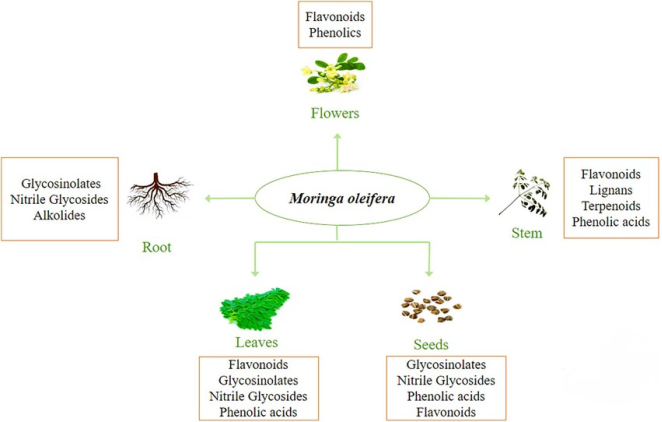
Moringa oleifera (family Moringaceae), originally native to the Indian subcontinent, is now naturalized across tropical and subtropical Africa due to its drought tolerance and capacity to grow in nutrient-poor soils. Nearly all parts of the plant contain bioactive compounds with established medicinal properties . The leaves are especially abundant in quercetin, isorhamnetin, rutin, chlorogenic acid, β-carotene, lutein, and tocopherols. Supercritical CO2 extraction of moringa seeds produces α-tocopherol at 232.5 ± 3.2 mg g⁻1, representing 8.43% of the extract, along with γ-tocopherol and ascorbic acid, which contribute to antioxidant and photoprotective effects . Gas chromatography-mass spectrometry (GC-MS) analysis of seed oil has identified oleic acid, palmitic acid, and β-sitosterol as principal constituents that provide moisturizing and membrane-stabilizing properties .
Creams containing moringa seed oil have been shown to achieve SPF values of 9-11 and to enhance skin hydration and smoothness compared to controls . Fourier-transform infrared spectroscopy (FTIR) confirmed the presence of flavonoid and phenolic compounds in these formulations. Sunscreen formulations combining Moringa oleifera and Turbinaria conoides in a 1:1 ratio have been reported to provide additive ultraviolet protection, maintained physicochemical stability, and exhibited no microbial contamination . Moringa leaf extract applied to infected excision wounds in rats has been shown to promote wound contraction, shorten epithelialization time, increase antioxidant enzyme activity, and upregulate VEGF and TGF-β1 expression, indicating wound-healing potential . Moringa leaves have also been reported to possess among the highest total phenolic and flavonoid contents of medicinal plants studied, with these compounds exhibiting hydroxyl and peroxyl radical scavenging activity and protecting skin fibroblasts from UV-induced lipid peroxidation .
Source: Gopalakrishnan et al. (2016).

Download: Download full-size image

Figure 2. Distribution of phytochemicals across different parts of Moringa oleifera.
Source: Chiș et al. (2024).

Download: Download full-size image

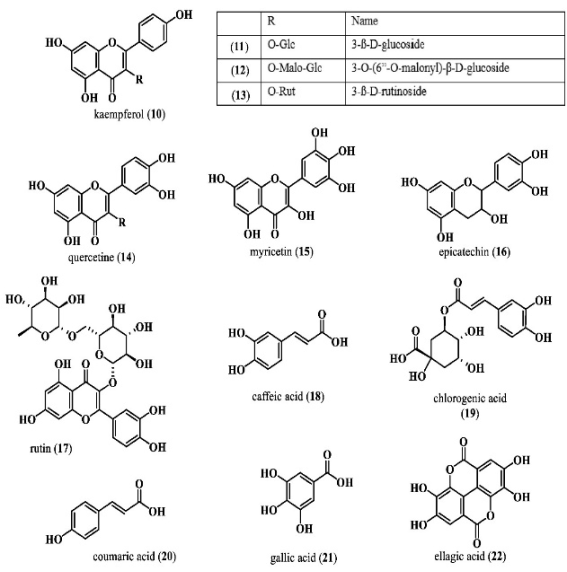
Figure 3. Polyphenolic compounds from Moringa oleifera.
Moringa leaf extract has been shown to significantly reduce malondialdehyde (MDA) levels and increase superoxide dismutase (SOD) and catalase activity in UVB-exposed HaCaT keratinocytes . The extract also suppressed the expression of MMP-1, MMP-3, and MMP-9, while preserving collagen and elastin gene expression. Spectroscopic analysis demonstrated broad ultraviolet absorption between 290 and 360 nm, confirming the extract’s role as a natural UV filter. The high concentrations of quercetin and kaempferol were identified as the principal contributors to this effect. Notably, the elevated unsaturated fatty acid content of moringa seed oil increases its susceptibility to oxidative rancidity, so the addition of stabilizers or antioxidants is recommended in moringa-based topical formulations .
3.2. Curcuma Longa
Curcuma longa (family Zingiberaceae), which is widely cultivated in tropical and subtropical regions such as Nigeria, derives its bright yellow color and pharmacological activity from curcuminoids, primarily curcumin, demethoxycurcumin, and bisdemethoxycurcumin. In both Ayurvedic and African traditional medicine, turmeric paste has been used to treat acne, improve complexion, and promote wound healing. In Nigeria, powdered turmeric is commonly incorporated into herbal cosmetics and face masks .
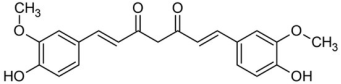
The conjugated aromatic structure of curcumin enables strong ultraviolet absorption across the 300-500 nm range, covering both UVA and UVB spectra, with a characteristic UV-Vis absorption peak near 425 nm . In addition to its UV filtering properties, curcumin activates the Keap1-Nrf2 antioxidant response pathway, inhibits IKKβ phosphorylation, stabilizes IκBα, and at higher concentrations binds directly to NF-κB p65 and IKKβ. These mechanisms collectively reduce the expression of COX-2, IL-6, and TNF-α by more than 60% .
Topical formulations containing curcumin have been shown to reduce UVB-induced erythema and collagen degradation in human dermal fibroblasts, to downregulate COX-2, iNOS, and NF-κB, and to prevent epidermal thickening after UV exposure . In a systematic review of 200 studies, curcumin was identified as a highly promising natural photoprotective agent with concentration-dependent enhancement of sun protection factor (SPF) values . However, the same review also emphasized key limitations, including poor aqueous solubility, photoinstability under extended UV exposure, and susceptibility to interactions with excipients, all of which diminish its efficacy as a standalone agent and require formulation optimization . Administration of Curcuma longa extract has also been reported to reduce TNF-α expression and preserve type I collagen in UVB-irradiated BALB/c mice, consistent with its anti-photoaging effects .
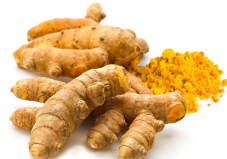
Figure 4. Curcuma longa rhizome (Turmeric).
Source: Amalraj et al. (2017)

Download: Download full-size image

Figure 5. Basic chemical structure of curcumin.
Source: Priyadarsini (2014).

Download: Download full-size image

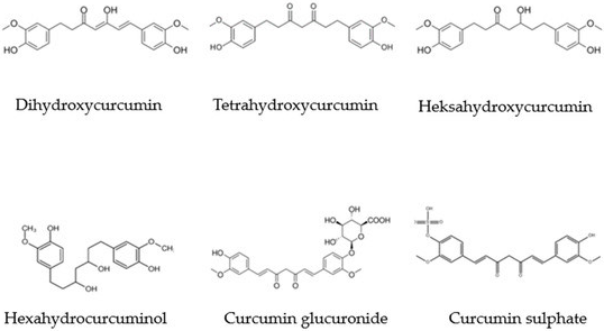
Figure 6. Chemical structures of major curcumin derivatives.
3.3. Aloe Vera
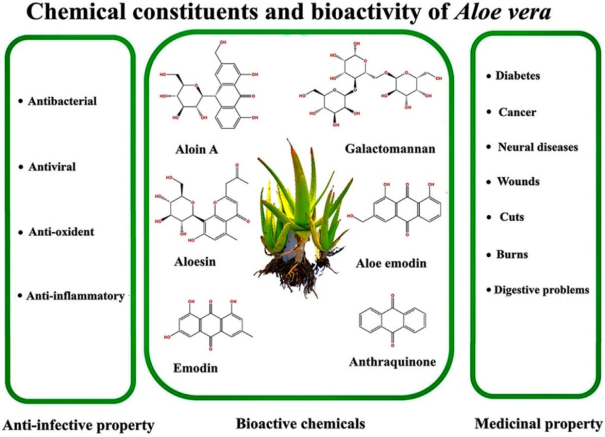
Aloe vera (family Asphodelaceae) is a perennial succulent widely distributed in the arid and semi-arid regions of Nigeria, where it is cultivated as a household remedy for burns, acne, and dermatitis. The plant’s thick, fleshy leaves produce a mucilaginous gel rich in polysaccharides (notably acemannan and glucomannan), anthraquinones (aloin and aloe-emodin), antioxidant vitamins C and E, enzymes, amino acids, and chromones. Collectively, these constituents exceed 75 identified bioactive compounds .
Topical application of aloe gel has been shown to accelerate epithelial regeneration and collagen synthesis in UVB-damaged skin . Histological analysis confirmed enhanced fibroblast proliferation and improved collagen fiber alignment. These effects are attributed to the gel’s polysaccharide content, particularly acemannan, which increases FGF and VEGF expression to promote granulation tissue formation and angiogenesis . Aloe-emodin and aloin exhibit antimicrobial activity against Staphylococcus aureus and Candida albicans, thereby reducing the risk of wound infection. The anthraquinone constituents also scavenge hydroxyl radicals, superoxide anions, hydrogen peroxide, and singlet oxygen, which prevents membrane lipid peroxidation and maintains skin barrier integrity .
In sunscreen applications, a concentration-dependent relationship between Aloe vera gel extract and sun protection factor (SPF) has been demonstrated, with a 20% extract yielding an SPF of 10.21, which falls within the acceptable range of 2 to 60 . The formulation also exhibited improved spreadability and a skin-compatible pH of 7.0. Acemannan-enriched formulations have further been confirmed to accelerate the healing of first- and second-degree burns and to reduce erythema compared with standard treatments .
A principal limitation of Aloe vera gel is its physicochemical instability, as its high water and nutrient content makes it highly susceptible to microbial spoilage. Incorporating benzoic acid (0.1%), vitamin E (300 ppm), and xanthan gum (0.2%) as stabilizers has been shown to maintain an acidic pH, inhibit microbial growth at both 4°C and 25°C, and preserve antioxidant activity and wound-healing efficacy during storage . Industrial processing commonly uses potassium sorbate or lyophilization to extend shelf life. Despite these preservation challenges, Aloe vera remains one of the most widely accepted ingredients in pharmaceutical and cosmetic formulations .
Source: Nandi et al. (2025)

Download: Download full-size image

Figure 7. Chemical constituents and bioactivity of Aloe vera.
4. Discussions
The growing interest in plant-based photoprotective formulations has encouraged exploration of the combined use of medicinal plants with complementary mechanisms of action. Among the various botanicals investigated for sunscreen development, Moringa oleifera, Curcuma longa (turmeric), and Aloe vera have emerged as promising candidates due to their diverse phytochemical compositions and multifunctional dermatological properties. The rationale for combining these three plants in photoprotective formulations rests on the complementarity of their mechanisms. Curcuminoids in Curcuma longa act as efficient UV chromophores while simultaneously scavenging free radicals; phenolic compounds in Moringa oleifera provide additional antioxidant capacity and photostabilize UV-sensitive filters; and the polysaccharide matrix of Aloe vera supports hydration, emulsion stability, skin repair, and the uniform delivery of active ingredients. This multi-mechanistic architecture of direct UV absorption, ROS neutralization, anti-inflammatory activity, barrier reinforcement, and tissue regeneration enables comprehensive protection that no single extract achieves in isolation.
Moringa oleifera leaf extracts have been shown to possess relatively low intrinsic SPF values when used alone but to exhibit significant antioxidant activity due to the presence of quercetin, rutin, chlorogenic acid, and ferulic acid . The same study found that moringa extracts enhance the photostability of avobenzone, a UV filter susceptible to photodegradation, indicating a photostabilizing function beyond reactive oxygen species scavenging . This finding represents a distinct and valuable contribution to sunscreen formulations, especially in combination systems where maintaining filter stability is critical for sustained photoprotection.
Curcumin provides the most direct UV-filtering activity among the three plants. Its broad-spectrum absorption across UVA and UVB wavelengths and concentration-dependent enhancement of SPF have been well documented . Its ability to suppress post-UV inflammatory cascades has also been reported . Despite these benefits, curcumin’s poor aqueous solubility and susceptibility to photodegradation under prolonged irradiation remain significant challenges. Combining curcumin with Aloe vera and Moringa extracts may help address these limitations, as the gel matrix of Aloe vera improves dispersibility and film formation, while phenolics from Moringa offer additional UV and oxidative protection, reducing reliance on curcumin stability alone.
An SPF of 24.88 has been reported for a binary formulation combining Curcuma longa and Aloe vera extracts, substantially exceeding the values observed for either plant used independently . This enhanced performance was attributed to the combination of curcumin’s UV absorption and Aloe vera’s film-forming and hydrating properties, promoting more uniform distribution of active compounds across the skin and resulting in more consistent UV coverage. When this combination was extended to include Moringa oleifera, an SPF of 39.65 was achieved in a ternary formulation containing moringa extract, Curcuma longa, and a mineral UV filter . This formulation demonstrated good physicochemical stability and non-irritant characteristics, attributed to the additive effects of UV absorption (curcumin), antioxidant and photostabilizing activity (moringa phenolics), and complementary formulation properties.
Additional evidence from multi-herbal systems supports this approach. Herbal sunscreens containing Aloe vera, Curcuma longa, coconut oil, and other plant-derived ingredients have been reported to achieve SPF values up to 33.50 with favorable antioxidant activity and non-mutagenic profiles . A multi-herbal sunscreen prepared with Aloe vera, Curcuma longa, sandalwood, and watermelon extracts achieved SPF values of 15 to 25 with satisfactory stability . Cost-effective herbal sunscreen gels from aqueous fruit extracts with SPF values ranging from 3.537 to 5.293 have also been documented . Quercetin-loaded creams have been reported to achieve in vitro SPF values of 10 to 12 and to significantly reduce oxidative stress biomarkers in keratinocyte models, demonstrating flavonoid-based dual photoprotective and antioxidant effects .
Recent formulation studies highlight the practical importance of including Aloe vera for formulation performance. Aloe vera concentration has been shown to directly affect the stability and spreadability of polyherbal creams containing Curcuma longa and Carica papaya, reinforcing the gel’s dual role as a bioactive ingredient and formulation vehicle . Formulations incorporating Aloe vera gel, glycerin, and vitamin E have also demonstrated significant improvements in skin hydration and barrier function attributable to the complementary effects of these plant-derived humectants and antioxidants .
The broader literature on medicinal plant combinations in skin care supports these findings. Several Chinese medicinal plants, including Centella asiatica, Aloe vera, Panax ginseng, and Scutellaria baicalensis, have been described as protecting against UV-induced skin damage through inhibition of matrix metalloproteinases, regulation of melanogenesis, anti-inflammatory activity, and enhancement of barrier and collagen integrity . Although these plants are outside the primary scope of the present review, they illustrate the broad applicability of combining mechanistically distinct botanical actives for comprehensive photoprotection.
Several formulation challenges and research gaps persist. Variations in plant source, cultivation conditions, extraction solvents, and processing parameters significantly influence phytochemical composition and antioxidant activity , complicating the standardization required for reproducible efficacy. The photo-instability of curcumin and the microbial susceptibility of fresh Aloe vera gel necessitate formulation interventions such as encapsulation, emulsification, or the addition of stabilizers, which increase complexity and cost. Most current evidence is derived from in vitro systems or small-scale laboratory preparations, with relatively few published clinical trials evaluating long-term photoprotective efficacy, photostability under real-world UV exposure, or large-scale manufacturability.
5. Conclusions
The increasing incidence of ultraviolet (UV)-induced skin disorders, including photoaging, hyperpigmentation, inflammation, and skin cancer, has intensified the search for safer and more sustainable alternatives to conventional synthetic sunscreens. This review highlights the growing potential of plant-derived photoprotective agents as multifunctional ingredients capable of providing UV protection while simultaneously promoting skin health. The available evidence demonstrates that medicinal plants contain diverse bioactive compounds, including flavonoids, phenolics, carotenoids, curcuminoids, vitamins, and polysaccharides, which contribute to photoprotection through UV absorption, antioxidant activity, anti-inflammatory effects, photostabilization, and enhancement of skin barrier function.
Among the natural agents reviewed, Moringa oleifera, Curcuma longa, and Aloe vera emerged as particularly promising candidates due to their complementary phytochemical profiles and dermatological benefits. Moringa oleifera provides strong antioxidant and photostabilizing activities that help mitigate oxidative stress associated with UV exposure. Curcuma longa contributes direct UV-filtering capacity through curcumin while also offering potent antioxidant and anti-inflammatory properties. Aloe vera enhances skin hydration, promotes tissue repair, improves formulation performance, and provides additional photoprotective benefits. Evidence from recent studies further indicates that combining these plants in binary and ternary formulations produces additive effects that enhance sunscreen efficacy beyond that achieved by individual extracts alone.
The reviewed literature also demonstrates that multi-herbal sunscreen formulations generally exhibit improved SPF values, broader-spectrum protection, enhanced antioxidant capacity, and better formulation stability compared with single-plant systems. These findings support the concept that effective photoprotection can be achieved through the integration of multiple botanical ingredients that target different pathways involved in UV-induced skin damage. Such an approach aligns with current consumer demand for natural, eco-friendly, and multifunctional skincare products.
Despite these promising developments, several challenges remain. Variations in plant source, extraction methods, phytochemical composition, formulation techniques, and SPF evaluation protocols often lead to inconsistencies in reported results, making direct comparisons between studies difficult. Furthermore, many investigations remain limited to laboratory-scale evaluations, with relatively few clinical studies assessing long-term efficacy, safety, photostability, and large-scale commercial applicability.
Future research should focus on standardizing extraction and formulation procedures, optimizing plant combinations, improving bioactive delivery systems, and conducting well-designed clinical trials to validate efficacy and safety under real-world conditions. Overall, the evidence indicates that plant-based sunscreen formulations, particularly those incorporating Moringa oleifera, Curcuma longa, and Aloe vera, offer a promising and sustainable approach to photoprotection by combining UV-filtering, antioxidant, anti-inflammatory, and skin-repairing functions. Continued research and standardization will be essential to translate these findings into effective commercial products.
Abbreviations

COX

Cyclooxygenase

FTIR

Fourier Transform Infrared Spectroscopy

GC-MS

Gas Chromatography-Mass Spectrometry

HPLC

High-Performance Liquid Chromatography

IL

Interleukin

LOX

Lipoxygenase

MDA

Malondialdehyde

MMP

Matrix Metalloproteinase

NF-κB

Nuclear Factor Kappa-B

NSAIDs

Non-Steroidal Anti-Inflammatory Drugs

ORAC

Oxygen Radical Absorbance Capacity

ROS

Reactive Oxygen Species

SPF

Sun Protection Factor

TNF-α

Tumor Necrosis Factor-alpha

UV

Ultraviolet

UVA

Ultraviolet A

UVB

Ultraviolet B

VEGF

Vascular Endothelial Growth Factor

Author Contributions
Umaimah Ismail: Conceptualization, Data curation, Investigation, Resources, Writing – original draft
Hassana Abubakar Ladio: Project administration, Supervision
Muhammad Baba Saje: Conceptualization, Validation, Writing – review & editing
Data Availability Statement
The data supporting the outcome of this research work has been reported in this manuscript and the data is available from the corresponding author upon reasonable request.
Conflicts of Interest
The authors declare no conflicts of interest.
References
[1] Riaz M, Khalid R, Afzal M, Anjum F, Fatima H, Zia S, et al. Phytobioactive compounds as therapeutic agents for human diseases: A review. Food Sci Nutr. 2023; 11: 2500-29.
[2] Oimau A. Role of ethnopharmacology in integrating traditional medicine with evidence-based healthcare. J Clin Exp Pharmacol. 2025; 15: 477.
[3] Khan A, Kanwal F, Ullah S, Fahad M, Tariq L, Altaf MT, et al. Plant secondary metabolites: Central regulators against abiotic and biotic stresses. Metabolites. 2025; 15(4): 276.
[4] Gromkowska-Kępka KJ, Puścion-Jakubik A, Markiewicz-Żukowska R, Socha K. The impact of ultraviolet radiation on skin photoaging: Review of in vitro studies. J Cosmet Dermatol. 2021; 20(11): 3427-31.
[5] He H, Li A, Li S, Tang J, Li L, Xiong L. Natural components in sunscreens: Topical formulations with sun protection factor (SPF). Biomed Pharmacother. 2021; 134: 111161.
[6] Santander Ballestín S, Luesma Bartolomé MJ. Toxicity of different chemical components in sun cream filters and their impact on human health: A review. Appl Sci. 2023; 13(2): 712.
[7] Iskandar B, Liu TW, Mei HC, Kuo IC, Surboyo MDC, Lin HM, et al. Herbal nanoemulsions in cosmetic science: A comprehensive review of design, preparation, formulation, and characterization. J Food Drug Anal. 2024; 32(4): 428-58.
[8] González-Burgos E, Ureña-Vacas I, Sánchez M, Gómez-Serranillos MP. Nutritional value of Moringa oleifera Lam. leaf powder extracts and their neuroprotective effects via antioxidative and mitochondrial regulation. Nutrients. 2021; 13(7): 2203.
[9] Hengpratom T, Dunkhunthod B, Sirichaiwetchakoon K, Prompradit P, Chaisit I, Ketudat-Cairns M, et al. Moringa oleifera leaf extract ameliorates photooxidative damage and photoaging induced by ultraviolet-B in HaCaT keratinocytes. Antioxidants. 2025; 14(7): 766.
[10] Nie Y, Li Y. Curcumin: A potential anti-photoaging agent. Front Pharmacol. 2025; 16: 1559032.
[11] Shabrina AM, Azzahra RSS, Permata IN, Dewi HP, Safitri RA, Maya I, et al. Potential of natural-based sun protection factor (SPF): A systematic review of curcumin as sunscreen. Cosmetics. 2025; 12(1): 10.
[12] Bai Y, Niu Y, Qin S, Ma G. A new biomaterial derived from Aloe vera: acemannan from basic studies to clinical application. Pharmaceutics. 2023; 15(7): 1913.
[13] Zhao L, Zheng L. Review on bioactive anthraquinone and derivatives as the regulators for ROS. Molecules. 2023; 28(24): 8139.
[14] Ha R, Cho WK, Kim E, Jang SJ, Kim JD, Yi CG, et al. Exploring the benefits of herbal medicine composite 5 (HRMC5) for skin health enhancement. Curr Issues Mol Biol. 2024; 46(11): 12133-51.
[15] Michalak M. Plant extracts as skin care and therapeutic agents. Int J Mol Sci. 2023; 24(20): 15444.
[16] Bolatkyzy N, Shepilov D, Turmanov R, Berillo D, Vassilina T, Ibragimova N, et al. Medicinal plants for skin disorders: Phytochemistry and pharmacological insights. Molecules. 2025; 30(15): 3281.
[17] Kumar B, Aggarwal R, Prakash U. Emerging therapeutic potential of curcumin in the management of dermatological diseases: An extensive review of drug and pharmacological activities. Future J Pharm Sci. 2023; 9: 42.
[18] Silvyana AE, Rahmasari R, Elya B. Azadirachta indica hexane extract: Potent antibacterial activity against Propionibacterium acnes and identification of its chemical content. Pharmacogn J. 2022; 14(3): 489-96.
[19] Kim SH, Shim KS, Song Y, Kim K, Park CS, Lee CK. Pharmacological and therapeutic activities of Aloe vera and its major active constituent acemannan. Food Suppl Biomater Health. 2023; 3(2): e8.
[20] Deligiannidou GE, Papadimitriou K, Poulios E, Kontogiorgis C, Papadopoulou SK, Giaginis C. An update of phytotherapeutic advances of marigold (Calendula officinalis L.) in wound healing. Plants. 2025; 14(22): 3497.
[21] Farhan M. The promising role of polyphenols in skin disorders. Molecules. 2024; 29(4): 865.
[22] Michalak M. Plant-derived antioxidants: Significance in skin health and the ageing process. Int J Mol Sci. 2021; 23(2): 585.
[23] McMullen RL. The benefits and challenges of treating skin with natural oils. Int J Cosmet Sci. 2024; 46: 553-65.
[24] Elbouzidi A, Haddou M, Baraich A, Taibi M, El Hachlafi N, Pareek A, et al. Biochemical insights into specialized plant metabolites: Advancing cosmeceutical applications for skin benefits. J Agric Food Res. 2025; 19: 101651.
[25] El-Saadony MT, Saad AM, Mohammed DM, Korma SA, Alshahrani MY, Ahmed AE, et al. Medicinal plants: Bioactive compounds, biological activities, combating multidrug-resistant microorganisms, and human health benefits. Front Immunol. 2025; 16: 1491777.
[26] Hassanpour SH, Doroudi A. Review of the antioxidant potential of flavonoids as a subgroup of polyphenols and partial substitutes for synthetic antioxidants. Avicenna J Phytomed. 2023; 13(4): 354-76.
[27] El-Saadony MT, Yang T, Korma SA, Sitohy M, Abd El-Mageed TA, Selim S, et al. Impacts of Curcuma longa and its principal bioactive curcumin on human health: Pharmaceutical, medicinal, and food applications. Front Nutr. 2023; 9: 1040259.
[28] Threskeia A, Sandhika W, Rahayu R. Effect of Curcuma longa extract administration on tumor necrosis factor-alpha and type 1 collagen expression in UVB-irradiated BALB/c mice. J Appl Pharm Sci. 2023.
[29] Budzianowska A, Banaś K, Budzianowski J, Kikowska M. Antioxidants to defend healthy and youthful skin: current trends and future directions in cosmetology. Appl Sci. 2025; 15(5): 2571.
[30] Tan BL, Norhaizan ME. Carotenoids: How effective are they to prevent age-related diseases? Molecules. 2019; 24(9): 1801.
[31] Ciriminna R, Li Petri G, Angellotti G, Fontananova E, Meneguzzo F, Luque R, et al. Tannin: An insight into its cosmeceutical properties and uses. Glob Chall. 2025; 9(8): 2500115.
[32] Matei CE, Visan AI, Cristescu R. Aloe vera polysaccharides as therapeutic agents: Benefits versus side effects in biomedical applications. Polysaccharides. 2025; 6(2): 36.
[33] Heinrich M, Mah J, Amirkia V. Alkaloids used as medicines: Structural phytochemistry meets biodiversity: An update and forward look. Molecules. 2021; 26(7): 1836.
[34] Melo LFM, Aquino-Martins VGQ, Silva APD, Oliveira Rocha HA, Scortecci KC. Biological and pharmacological aspects of tannins and potential biotechnological applications. Food Chem. 2023; 414: 135645.
[35] Lungu C, Grădinaru AC, Ivănescu B. Plant-based sunscreens: Innovations and new formulations. IntechOpen; 2025.
[36] Fonseca M, Rehman M, Soares R, Fonte P. The impact of flavonoid-loaded nanoparticles in UV protection and safety profile of topical sunscreens. Biomolecules. 2023; 13(3): 493.
[37] Hewlings SJ, Kalman DS. Curcumin: A review of its effects on human health. Foods. 2017; 6(10): 92.
[38] Li L, Chong L, Huang T, Ma Y, Li Y, Ding H. Natural products and extracts from plants as natural UV filters for sunscreens: A review. Anim Models Exp Med. 2023; 6(3): 183-95.
[39] Mucha M, Skrzydlewska E, Gęgotek A. Natural protection against oxidative stress in human skin melanocytes. Commun Biol. 2025; 8(1): 1283.
[40] Mukherjee B. Antioxidants and their physiological role in free radical scavenging. 2025.
[41] Pan X, Zhao Y, Huang W, Wu J, Liang J, Xie Y, et al. Interplay of photobiological stress and chronodermal dysfunction: Two-dimensional nanomaterial strategies for barrier restoration in smart cosmetics. Arch Dermatol Res. 2025; 317: 928.
[42] Zhao C, Wu S, Wang H. Medicinal plant extracts targeting UV-induced skin damage: Molecular mechanisms and therapeutic potential. Int J Mol Sci. 2025; 26(5): 2278.
[43] Smail SW, Bergsten P, Taha KO, Yashooa RK, Hawezy DJ, Abbas MA, et al. Curcumin: Biochemistry, pharmacology, advanced drug delivery systems, and its epigenetic role in combating cancer. Front Pharmacol. 2025; 16: 1695200.
[44] Akinmoladun A, Falaiye O, Ojo O, Adeoti A, Amoo Z, Olaleye T. Effect of extraction technique, solvent polarity, and plant matrix on antioxidant properties of Chrysophyllum albidum. Bull Natl Res Cent. 2022; 46.
[45] Rao H, Tan JBL. Polysaccharide-based hydrogels for atopic dermatitis management: A review. Carbohydr Polym. 2025; 349(Part B): 122966.
[46] Zheng X, Zhang X, Zeng F. Biological functions and health benefits of flavonoids in fruits and vegetables: A contemporary review. Foods. 2025; 14(2): 155.
[47] Caruso F, Pedersen JZ, Incerpi S, Belli S, Sakib R, Rossi M. Interaction between vitamins C and E in scavenging superoxide radicals. Biophysica. 2024; 4(2): 310-26.
[48] Vaou N, Stavropoulou E, Voidarou CC, Tsakris Z, Rozos G, Tsigalou C, et al. Interactions between medicinal plant-derived bioactive compounds: Focus on antimicrobial combination effects. Antibiotics. 2022; 11(8): 1014.
[49] Patil SV, Mohite BV, Marathe KR, Salunkhe NS, Marathe V, Patil VS. Moringa tree, gift of nature: A review on nutritional and industrial potential. Curr Pharmacol Rep. 2022; 8(4): 262-80.
[50] Kessler JC, Martins IM, Manrique YA, Gudjónsdóttir SD, Rodrigues AE, Barreiro MF, et al. Microencapsulated α-tocopherol and moringa extract for improved skin protection: Insights from human skin assessment in cosmetic formulations. J Cosmet Dermatol. 2025; 24(10): e70486.
[51] Adegbe AA, Larayetan RA, Omojuwa TJ. Proximate analysis, physicochemical properties and chemical constituents of Moringa oleifera seed oil using GC-MS. Am J Chem. 2016; 6(2): 23-8.
[52] Fu X, Su J, Hou L, et al. Physicochemical and thermal characteristics of Moringa oleifera seed oil. Adv Compos Hybrid Mater. 2021; 4: 685-95.
[53] Athikomkulchai S, Tunit P, Tadtong S, Jantrawut P, Sommano SR, Chittasupho C. Moringa oleifera seed oil formulation: Physical stability and chemical constituents for enhancing skin hydration and antioxidant activity. Cosmetics. 2021; 8(1): 2.
[54] Yanuarti R, Nurfiriyanti N, Zuchryanto M, Pratama G, Munandar A, Ilhamdy AF, et al. Formulation and evaluation of sunscreen cream from Moringa oleifera and Turbinaria conoides. E3S Web Conf. 2021; 324: 05001.
[55] Al-Ghanayem AA, Alhussaini MS, Asad M, Joseph B. Effect of Moringa oleifera leaf extract on excision wound infections in rats: Antioxidant, antimicrobial, and gene expression analysis. Molecules. 2022; 27(14): 4481.
[56] Pareek A, Pant M, Gupta MM, Kashania P, Ratan Y, Jain V, et al. Moringa oleifera: An updated comprehensive review of its pharmacological, ethnomedicinal, phytopharmaceutical, clinical, phytochemical, and toxicological aspects. Int J Mol Sci. 2023; 24(3): 2098.
[57] Chiner LC, Pageo S, Juan M, García-Mares F, Castelló M, Ortolà M. Fatty acid profile and physicochemical properties of Moringa oleifera seed oil extracted at different temperatures. Foods. 2024; 13: 2733.
[58] Vollono L, Falconi M, Gaziano R, Iacovelli F, Dika E, Terracciano C, et al. Potential of curcumin in skin disorders. Nutrients. 2019; 11(9): 2169.
[59] Rajeswari G, Jacob S. Deciphering the Aloe vera leaf rind as potent feedstock for bioethanol through enzymatic delignification and its enhanced saccharification. Ind Crops Prod. 2019; 143: 111876.
[60] Chelu M, Musuc AM, Popa M, Calderon Moreno J. Aloe vera-based hydrogels for wound healing: Properties and therapeutic effects. Gels. 2023; 9(7): 539.
[61] Khanam N, Sharma GK. Studies on protective effects of Aloe vera L. leaf extracts on oxidant induced damage to lipid peroxidation (LPO) in different biomembrane models. World J Pharm Med Res. 2024; 10(1): 120-9.
[62] Hendrawati T, Ambarwati H, Nugrahani R, Susanty S, Habibah U. The effects of Aloe vera gel addition on the effectiveness of sunscreen lotion. J Rekayasa Proses. 2020; 14.
[63] Chernane H, Sbahi M, Choukri A, Darrag E, Hammoumi A. Incorporating preservatives and additives on Aloe vera leaf gel for microbiological stability and oxidative resistance during storage: Wound healing assay in vivo. Ann Dermatol Sci. 2025.
[64] Liu C, Cui Y, Pi F, Cheng Y, Guo Y, Qian H. Extraction, purification, structural characteristics, biological activities and pharmacological applications of acemannan, a polysaccharide from Aloe vera: A review. Molecules. 2019; 24(8): 1554.
[65] Baldisserotto A, Barbari R, Tupini C, Buzzi R, Durini E, Lampronti I, et al. Multifunctional profiling of Moringa oleifera leaf extracts for topical application: A comparative study of different collection time. Antioxidants. 2023; 12(2): 411.
[66] Deepthi Swapna V, Lavanya C, Mounika Y, Charan Teja Y, Siva Prasad V, Manasa D, et al. Formulation and evaluation of herbal sunscreen cream containing Curcuma longa and Aloe vera extracts. Asian J Pharm Clin Res. 2026; 19(1): 56-62.
[67] Sangar O, Rupanwar A, Wakshe S, Mane Y, Torane A, Gujare B. Formulation and evaluation of herbal sunscreen lotion using Moringa oleifera and Curcuma longa extract. Int J Sci Technol. 2025.
[68] Tiwari R, Singh I, Tiwari G, et al. Formulation and evaluation of herbal sunscreens: An assessment towards skin protection from ultraviolet radiation. Pharmacophore. 2022.
[69] Sahu A, Shrivastava S. Formulation and evaluation of herbal sunscreen lotion enriched with natural plant extracts. Int J Pharmacogn Herbal Drug Technol. 2025: 14-25.
[70] Roy PK, Lalrempuii, Zairempuii C, Lallawmzuali E, Laldinchhana, Debbarma A, et al. Formulation and evaluation of cost-effective herbal sunscreen gel from aqueous extracts of fruits of Mizoram, India. Int J Pharm Sci Res. 2022; 15(6).
[71] Milutinov J, Krstonošić V, Ćirin D, Hadnađev M, Đanić M, Pavlović N. Development and evaluation of quercetin topical emulgels: Physicochemical properties, stability, and sun protective potential. J Mol Liq. 2024; 417: 126568.
[72] Kumar N, Kaushik A, Tuteja M. Development and evaluation of novel topical polyherbal cream containing Aloe vera, Carica papaya, and Curcuma longa. J Pharma Insights Res. 2024; 2(1): 14-20.
[73] Cita E, Ka’arayeno A. Aloe vera and shea butter gel lotion: A formula for skin hydration. Care J Ilmiah Ilmu Kesehat. 2025; 13: 156-67.
[74] Xie R, Ponnampalam EN, Ahmadi F, Dunshea FR, Suleria HAR. Antioxidant potential and characterization of polyphenols in Moringa oleifera pods. Food Sci Nutr. 2024; 12(12): 10881-902.
Cite This Article
  • APA Style

    Ismail, U., Ladio, H. A., Saje, M. B. (2026). Nature Against Ultraviolet Damage: A Review of the Photoprotective and Dermatological Properties of Moringa Oleifera, Curcuma Longa, and Aloe Vera. Modern Chemistry, 14(3), 71-84. https://doi.org/10.11648/j.mc.20261403.11

    Copy | Download

    ACS Style

    Ismail, U.; Ladio, H. A.; Saje, M. B. Nature Against Ultraviolet Damage: A Review of the Photoprotective and Dermatological Properties of Moringa Oleifera, Curcuma Longa, and Aloe Vera. Mod. Chem. 2026, 14(3), 71-84. doi: 10.11648/j.mc.20261403.11

    Copy | Download

    AMA Style

    Ismail U, Ladio HA, Saje MB. Nature Against Ultraviolet Damage: A Review of the Photoprotective and Dermatological Properties of Moringa Oleifera, Curcuma Longa, and Aloe Vera. Mod Chem. 2026;14(3):71-84. doi: 10.11648/j.mc.20261403.11

    Copy | Download

  • @article{10.11648/j.mc.20261403.11,
      author = {Umaimah Ismail and Hassana Abubakar Ladio and Muhammad Baba Saje},
      title = {Nature Against Ultraviolet Damage: A Review of the Photoprotective and Dermatological Properties of Moringa Oleifera, Curcuma Longa, and Aloe Vera},
      journal = {Modern Chemistry},
      volume = {14},
      number = {3},
      pages = {71-84},
      doi = {10.11648/j.mc.20261403.11},
      url = {https://doi.org/10.11648/j.mc.20261403.11},
      eprint = {https://article.sciencepublishinggroup.com/pdf/10.11648.j.mc.20261403.11},
      abstract = {The growing concerns over the adverse effects of prolonged exposure to ultraviolet (UV) radiation, coupled with increasing reports of skin irritation, environmental contamination, and potential endocrine-disrupting effects associated with synthetic sunscreen ingredients, have intensified interest in plant-based alternatives for photoprotection. This review gives an insight to the dermatological and photoprotective potential of three widely utilized medicinal plants, Moringa oleifera, Curcuma longa, and Aloe vera, with emphasis on their phytochemical composition, mechanisms of action, and applications in topical skincare and cosmeceutical formulations. Relevant literature was critically evaluated using peer-reviewed sources. Evidence from the reviewed studies indicates that these plants contain diverse bioactive compounds, including flavonoids, phenolic acids, carotenoids, curcuminoids, polysaccharides, vitamins, and other antioxidants that contribute to skin protection through multiple mechanisms. These mechanisms include direct absorption of ultraviolet radiation, neutralization of reactive oxygen species, suppression of inflammatory pathways, enhancement of skin barrier function, stimulation of collagen synthesis, and promotion of wound healing. The review further highlights the benefits of combining these botanicals in topical formulations, where improvements in photoprotective efficacy, antioxidant capacity, skin hydration, and formulation stability have been reported. Recent advances in extraction technologies and delivery systems have also enhanced the bioavailability and effectiveness of plant-derived photoprotective agents. Collectively, the evidence demonstrates that Moringa oleifera, Curcuma longa, and Aloe vera possess considerable potential as sustainable and multifunctional ingredients for dermatological and cosmeceutical applications. However, further clinical investigations, formulation optimization, and long-term safety evaluations are required to fully establish their effectiveness as alternatives or complements to conventional synthetic photoprotective agents.},
     year = {2026}
    }
    

    Copy | Download

  • TY  - JOUR
    T1  - Nature Against Ultraviolet Damage: A Review of the Photoprotective and Dermatological Properties of Moringa Oleifera, Curcuma Longa, and Aloe Vera
    AU  - Umaimah Ismail
    AU  - Hassana Abubakar Ladio
    AU  - Muhammad Baba Saje
    Y1  - 2026/07/22
    PY  - 2026
    N1  - https://doi.org/10.11648/j.mc.20261403.11
    DO  - 10.11648/j.mc.20261403.11
    T2  - Modern Chemistry
    JF  - Modern Chemistry
    JO  - Modern Chemistry
    SP  - 71
    EP  - 84
    PB  - Science Publishing Group
    SN  - 2329-180X
    UR  - https://doi.org/10.11648/j.mc.20261403.11
    AB  - The growing concerns over the adverse effects of prolonged exposure to ultraviolet (UV) radiation, coupled with increasing reports of skin irritation, environmental contamination, and potential endocrine-disrupting effects associated with synthetic sunscreen ingredients, have intensified interest in plant-based alternatives for photoprotection. This review gives an insight to the dermatological and photoprotective potential of three widely utilized medicinal plants, Moringa oleifera, Curcuma longa, and Aloe vera, with emphasis on their phytochemical composition, mechanisms of action, and applications in topical skincare and cosmeceutical formulations. Relevant literature was critically evaluated using peer-reviewed sources. Evidence from the reviewed studies indicates that these plants contain diverse bioactive compounds, including flavonoids, phenolic acids, carotenoids, curcuminoids, polysaccharides, vitamins, and other antioxidants that contribute to skin protection through multiple mechanisms. These mechanisms include direct absorption of ultraviolet radiation, neutralization of reactive oxygen species, suppression of inflammatory pathways, enhancement of skin barrier function, stimulation of collagen synthesis, and promotion of wound healing. The review further highlights the benefits of combining these botanicals in topical formulations, where improvements in photoprotective efficacy, antioxidant capacity, skin hydration, and formulation stability have been reported. Recent advances in extraction technologies and delivery systems have also enhanced the bioavailability and effectiveness of plant-derived photoprotective agents. Collectively, the evidence demonstrates that Moringa oleifera, Curcuma longa, and Aloe vera possess considerable potential as sustainable and multifunctional ingredients for dermatological and cosmeceutical applications. However, further clinical investigations, formulation optimization, and long-term safety evaluations are required to fully establish their effectiveness as alternatives or complements to conventional synthetic photoprotective agents.
    VL  - 14
    IS  - 3
    ER  - 

    Copy | Download

Author Information
  • Department of Chemistry, Nile University, Abuja, Nigeria

    Biography: Umaimah Ismail is an Industrial Chemist and entrepreneur pursuing an M. Sc. in Industrial Chemistry at Nile University of Nigeria, Abuja, having obtained a B. Sc. in Chemistry from the University of Abuja. She completed national service at the Nigerian Upstream Petroleum Regulatory Commission, gaining exposure to petroleum industry operations. Her research interests span industrial chemistry, environmental sustainability, energy development, and natural products. She holds certifications in Project Management and HSE, and is committed to applying scientific and entrepreneurial skills to sustainable development.

    Research Fields: Industrial Chemistry, Environmental Sustainability, Petroleum and Energy Studies, Waste Management and Environmental Remediation, Natural Product.

  • Department of Chemistry, Nile University, Abuja, Nigeria

    Biography: Hassana Abubakar Ladio holds a Ph.D. in Analytical Chemistry from the Federal University of Technology, Minna, an MBA in Project Management, and an M. Sc. in Industrial Chemistry from Nile University of Nigeria, where she is a Lecturer and Environmental Specialist. Her research covers nanotechnology, pollution control, environmental sustainability, and analytical chemistry. She received the Best Doctoral Thesis Award from the Federal University of Technology, Minna (2025), and graduated as Best Graduating Student in Petroleum Chemistry from Nile University (2015).

    Research Fields: Analytical Chemistry, Nanotechnology, Environmental Pollution Control, Environmental Sustainability and Management, Project Management and Risk Analysis.

  • Department of Chemistry, Nile University, Abuja, Nigeria

    Biography: Muhammad Baba Saje is an academician at Nile University of Nigeria, Abuja, holding a Ph.D. (2025), M. Sc. (2019), and B. Sc. in Industrial Chemistry from the same institution. His research focuses on environmental remediation, wastewater treatment, oil spill management, natural product chemistry, medicinal chemistry, and sustainable materials. He has authored numerous scientific publications and contributes to multidisciplinary research on natural-product-based technologies and drug discovery.

    Research Fields: Environmental Pollution Management and Remediation, Wastewater Treatment and Oil Spill Control, Natural Product Chemistry and Phytochemistry, Medicinal Chemistry and Computational Drug Discovery, Sustainable Materials and Industrial Applications.